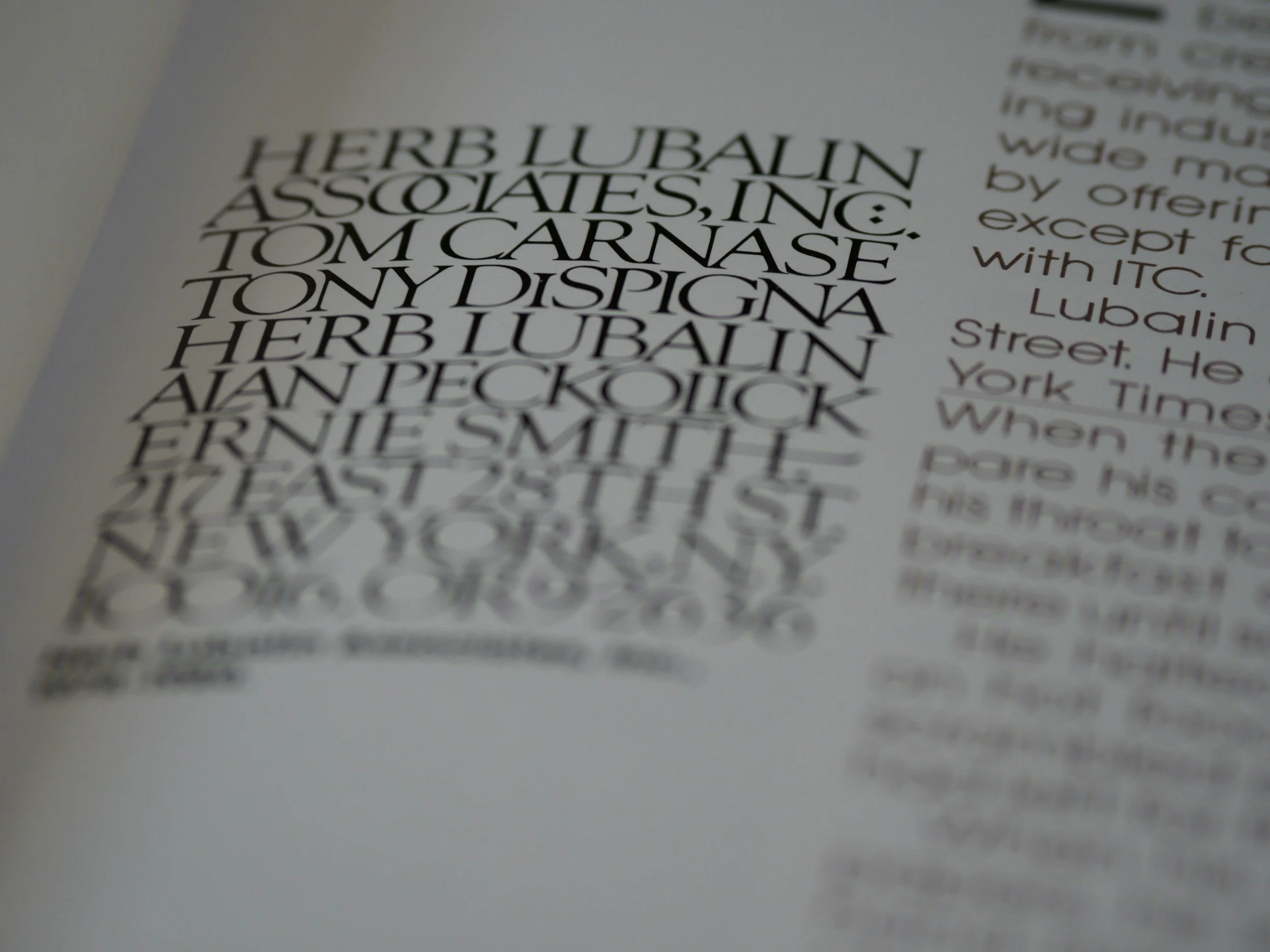
Herb Lubalin, the sound of words
Herb Lubalin led a revolution in the approach of typography that showed how to use type as a means to express an emotional response, not just as letters on a page.


Practical Job Aide to Instructional Design Models: ADDIE, SAM, Dick & Carey, Kemp, and ASSURE
With so many instructional design models to learn from and use, it can feel overwhelming to know where to start. In design, many understand the benefits of using a model. Building a lesson without a design model is similar to navigating a new city without a map. It can be done, but it will feel less overwhelming if you’ve at least seen a map first.

EdTech Philosophy
Educational technology should be an asset that enriches and supports learning in multiple forms. When technology is used with intention, it has the power to expand access and opportunities and promote equity by removing barriers that were defined by geography, resources, or access to adaptable services. As technology improves, accessibility improves, and educational technology helps level the digital playing field.


Is Training Really the Answer?
The role of a good trainer is to give the client what they need to make them successful. We have to take the time to learn what the challenge really is, and what will be the best way to solve the problem so everyone can win.

5 Practical Tips for Accessible eLearning
Imagine waking up and finding that the digital world you’ve come to rely on-your websites, apps, videos-were suddenly inaccessible to you. For millions of people with disabilities this isn't’ just a hypothetical scenario; it’s a daily reality. Accessibility in eLearning isn’t just a bonus or something that would be nice-to have, it’s essential. What most people don’t realize is that disability is the only minority group that anyone can join at any time in their life, whether through injury, illness, or aging. It means that designing content that’s accessible isn’t just for compliance or ethics, it’s about a world where everyone thrives.